Warning against lithium batteries for gate motors
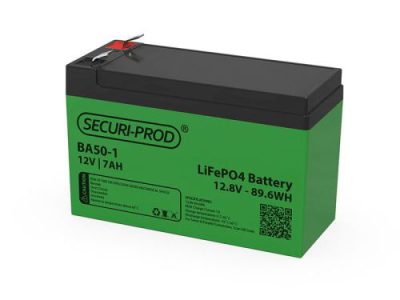
When it comes to access control motors, choosing the right battery is critical for reliable and uninterrupted operation. As lithium iron phosphate (LiFePO4) batteries become increasingly popular in a variety of applications, Centurion Systems is warning the market against using these batteries in gate motors.
LiFePO4 batteries typically have a charging temperature range of 0 to 45 degrees Celsius and an operating discharge temperature range of -20 to 60 degrees Celsius. When these temperature ranges are exceeded during charging and discharging, a built-in battery management system (BMS) isolates the internal battery to prevent damage or possible catastrophic failure.
Due to solar radiation considerations, gate motors are usually installed outdoors, resulting in internal temperatures that are typically 15-35 degrees higher than the ambient temperature, depending on solar radiation (winter and summer) and the duration of direct sunlight. A simple analogy is a vehicle parked in direct sunlight with no cooling or ventilation inside.
As a practical example, if a gate motor is exposed to direct sunlight for several hours and the ambient temperature is 25 degrees Celsius, the internal temperature can easily reach 45 degrees Celsius or higher. In this case, the LiFePO4 battery’s BMS will prevent the charger from charging the battery until the temperature returns to a safe charging range. This is a significant limitation for rolling load shedding, as every opportunity to recharge the battery should be exploited.
In summer climates where the ambient temperature exceeds 30 degrees, the internal temperature of the gate motor may exceed 60 degrees Celsius, which means that the battery will be completely shut down until the internal temperature returns to a safe range.
Although sealed lead-acid batteries (SLA) can be affected by temperature, they offer a more manageable solution. Charging these batteries with voltages suitable for higher temperatures ensures a consistent approach across all our chargers, ensuring a more adaptable solution. Unlike LiFePO4 batteries, SLA batteries do not require a built-in BMS, meaning they do not shut down when temperatures fluctuate.
Centurion Systems has over 35 years of experience relying on SLA batteries for gate motor applications. This track record demonstrates the reliability and suitability of SLA cells for seamless gate automation even in harsh environmental conditions