Electric fence wiring
Electric fence wiring will, over time, require maintenance and possible re-wiring.
Electric fence wires can rust over time which acts as an insulator and reduces voltage flowing through the fence wires. Secondly wires can snap due to vegetation starting to hang weight on the wires
Therefore maintenance of your electric fence is critical. Its ability to work optimally is reduced by plants that are allowed to grow onto the high tensile wires. Always remember to switch off your electric fence energiser when you are trimming vegetation away from the wires.
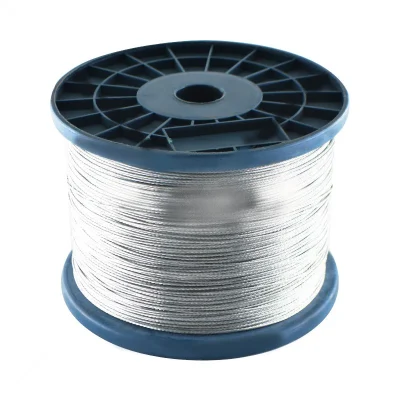
Wiring of an electric fence consists of high tension (HT) metal wires. Therefore when it comes to repairs of your electric fence wires, cable should never be joined along the length. Do not go for this cheap solution. It is recommended to replace the full length of the HT cable. This is due to the extended problems you can expect in the future with extra cost. Repairs of HT cables along the length are exposed to weather and rain and can cause false alarms. Secondly the joins are not sealed and if someone were to touch the join they will get a nasty shock.
When installing electric fencing avoid hitting the wire with a hammer as this can cause kinks along the length. Kinks in stiff wire will always break
Use crimp ferrules to join the fence wire ends, with the same material that the wire is made of example aluminium. Aluminium is highly resistant to corrosion. IF you do use a different material for the wire and ferrules this difference in material can cause an electrolytic effect which can cause rust, leading to breaks in the electric fence wiring.
Most electric fencing in Johannesburg is wall top type fencing. It is highly recommended, unfortunately due to our crime statistics, to install 8 strand electric fence wiring. Intruders can simply just step over anything shorter than this.